Showing posts with label Nami2. Show all posts

Tuesday, November 27, 2012

Fair Trade Coffee...?


 Nami


              Today I would like to discuss about fair trade coffee. I always think if the fair trade truly following its purpose. This system sounds quite skeptical to me in some ways. First, it is skeptical because of its name, “Fair Trade”. It makes me think that there are trades which are not fair. If this trade is called “fair”, then what is “Unfair Trade”? It suggests all other coffee is just unfair and exploitative. It may sounds quibbling to you, but nowadays I often hear about fair trade coffee and every time I hear, it makes me think like this.

According to Fair Trade International (FLT), Fair trade is an alternative approach to conventional trade and is based on a partnership between producers and consumers. Fair trade offers producers a better deal and improved terms of trade (Fair Trade International. 2011). This allows them the opportunity to improve their lives and plan for their future. Fair trade offers consumers a powerful way to reduce poverty through their every-day shopping.

Of course it is more “fair” to share the benefit than just one get the most of it, however, you cannot define what the fair and it may lead the trade, that one get more benefit, to “unfair trade”. This is why I think this name is improper for this kind of trades. How about “Charity trade”? This makes more sense and I could see a incongruity in economic sense.

             But there is a reason why it is called as it is right now. It is to oppose the globalization by using the word “fair” (Rionaoki, 2011). This is why it sounds skeptical to people who are for the globalization, just like me.

However, not only people who are the side of globalization, but also people who are into coffee or addicted to coffee are against this “fair trade”. It is because the quality wouldn’t be improved by the cost of coffee in this system. The fans of coffee want the higher quality, of course. So it is better for producer to work harder on the higher quality coffee and earn much more benefit than when they do in “fair trade”. People who prefer to pick “fair trade coffee” and think it is fair are usually avoiding picking higher quality coffee merely because they regard as they are not fair. This, I think, just makes the demand of good coffee lower and lower.

I am not stating fair trade brings about negative things. But I believe it is best to buy the highest quality of coffee you can afford so that these kids of coffee remain at good demand. Buying high cost one makes the more moves of money and the more effort they put to make coffee better and better.

This matter still remains as a big topic to discuss. And what this post says is just the starter of this issue. I would love to discuss more deeply about this topic some time at this blog.


Reference


Fairtrade International. (2011). What is fairtrade?.


Rionaoki. (2011). Fair trade coffee. Retrieved from http://rionaoki.net/2010/04/3908

Tuesday, November 13, 2012

Canned Coffee

Nami         

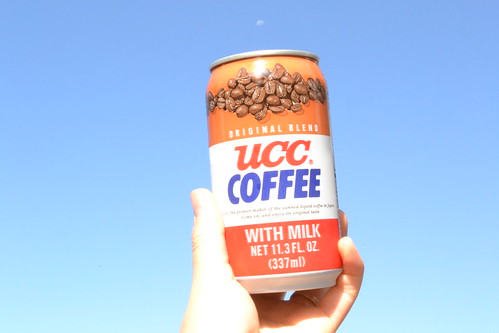
              Can you tell the differences between canned coffee and roasted coffee? We, likely workers in a morning before going for a work or a short break during work, buy a canned coffee from a bending machine or a convenience store. Bending machines are everywhere nowadays and it is so easy to buy a canned coffee. They got so many kinds and tastes of coffee so it is fun as well to pick one and try. But there are so many differences between these convenient canned coffees and those coffees done by the process of grinding coffee beans.
 
              Cans and instants are mass production so the tastes and flavors cannot so good. Also, they put preservatives and do other things in order to preserve long span. Thus canned coffees and instant coffees have a limit of taste. In fact, the coffee beans they are made from are different between canned coffee and roasted coffee. I would like to talk about this difference of coffee beans.


              Usually canned coffees and instant coffees use Robusta Coffee. This is also called as Coffee Canephora. 20-30 % of the amount of coffee production is this kind of coffee beans. This kind is flexible to adapt to environment so it is easy to grow them up. Its trees and leaves are quite big but the berries are small. And Robusta Coffee is strong against the insects causing damage to coffee beans and also cheap. Compared to other kinds, you can get much more coffee from same amount of coffee beans or you can make the taste of your coffee deeper because of its pyrazine organic compound. So also when you want to make a bitter one, you should mix Robusta Coffee. But u would not want to drink straight Robusta coffee because Robusta Coffee has its peculiar strong smell which makes the taste and flavor bad and stimulating. Some of coffee shops make blend coffee with around 20% of Robusta Coffee. Robusta coffee of this amount turns to be as a foil for other coffee that you blend with. And it is quite cheap so it is usually blended in canned coffee and so on for cost-down. Robusta contains much caffeine so if you prefer strong and stimulating coffee, you might want to try Robusta blended coffee.


              More common coffee bean is Coffea Arabica. It is produced all over the world as a main coffee bean. About 70% of coffee beans are Coffea Arabica. It is said to be really tasty and contains less caffeine. It contains half amount of caffeine of Robusta coffee. Usually regular coffee is made from Arabica Coffee. However, unlikely Robusta Coffe, Coffea Arabica is hard to harvest due to its cultivate location. It needs to grow at uplands of 800 ~ 2000 above sea level. Although Arabica Coffee is hard to produce, this is still produces a lot because of its deep flavor, unique bitterness, and tasty sweetness that any other kinds of coffee beans have.


Reference

Coffee Walker. (2012). Kan to insutanto tono chigai [differences from cans and instants].

Kimameya. (2012). Robusutashu towa [what is robsta coffee].
 
Wikipedia. (2012). Robsta coffee.
Retrieved from http://en.wikipedia.org/wiki/Robusta_coffee

Friday, November 2, 2012

Wake Up and Smell the Coffee


Face the reality. This is the meaning of “wake up and smell the coffee”. 

We are drinking coffee in everyday life and so many of us are addicted to this beverage.  What do you know about the actual fact of it? People drink coffee when you want to calm down or wake up. Is it really working? These days there are people drinking coffee to lose their weight. Does coffee have such effect? When I was younger, my friends said to me that I drink coffee too much that you got so tan! What is true and what is forth?

According to recent research, coffee is now said to be not a bad beverage to drink. However, it is a common impression of coffee that it is bad for stomach and other parts of body. Although a low quality one would brings you stomachache or something else but the normal or high quality one is totally harmless. The image of the coffee might be came from how it looks as a black beverage or they actually drink bad quality one and got a stomachache. When you pick right coffee beans it would not happen. I would like to post about how to choose a good coffee soon after.

       First surprising fact is that 99% of coffee is water. It includes protein and fat but they are so less. In a good side, you do not have to care about calorie since it is almost water. But the other side, you can get almost no nutrition from it.
       And this is a big question still exist, could coffee be medicine? It actually has been used as medicine since it was discovered. So what can it do to you? To answer this question, you need to know about caffeine.

Caffeine is a central nervous stimulant and can have some positive effects on the human body. Caffeine in low doses is thought to be associated with an improvement in sporting performance, increased alertness and reduction in fatigue potentially lifting a person’s mood. Coffee and tea also contain some antioxidants that have positive effects on heart health.
However, increased amounts of caffeine lead to dependency due to increased tolerance and hence the need for greater amounts to gain the same stimulatory benefits. Heavy users who have to go without can experience withdrawal symptoms such as headaches and fatigue. Too much caffeine can produce restlessness, nausea, sleep difficulties, upset stomach, increased urine production causing dehydration, and cardiac arrhythmias. It has also been associated with elevated blood pressure in sensitive persons.
       These effects of coffee can be both good and bad for you depending on how ado you drink. You have to stop saying, “Coffee is harmless at all so I can drink 10 cups a day!”, “Coffee does nothing but causing illness so you better stop drinking.”, nor any state which is extreme. And wake up and smell the coffee.


Reference
Cafe Goju. (2009, Feburuary 28). Kohi no koka[the effects of coffee]. Retrieved from http://www.cafegoju.com/coffee/coffee_02.html
Eigo no Kyoshitu. (2007, February 25). wake up and smell coffee.wa dou iu imi de sho? [what does "wake up and smell the coffee" mean?]. Retrieved from http://englishclass.blog49.fc2.com/blog-entry-153.html